














How Can Sentiment Analysis be Used to Improve the Customer Experience?


In today’s customer-driven world, emotion is the ultimate KPI, and sentiment analysis is how leading contact centers measure it.
By using artificial intelligence (AI) and natural language processing (NLP) to detect tone, emotion, and intent in real time, sentiment analysis helps businesses understand not just what customers say, but how they feel.
Balto’s real-time sentiment analysis empowers agents to recognize customer emotions mid-conversation, respond with empathy, and turn potential frustration into loyalty, all while giving managers the insights they need to coach smarter and improve performance across the board.
In short, sentiment analysis improves customer experience by helping organizations:
- Deliver more personalized, emotionally intelligent service
- Detect negative sentiment early and resolve issues proactively
- Identify recurring friction points that impact satisfaction and loyalty
- Strengthen QA, coaching, and overall team performance
Of course, implementing sentiment analysis comes with challenges:
- Managing huge volumes of unstructured call and chat data
- Integrating analytics tools across existing systems
- Ensuring accuracy across languages, tones, and contexts
- Encouraging adoption among agents and supervisors
But with the right approach and the right platform, these hurdles are easy to overcome.
In this guide, we’ll explore:
- How sentiment analysis works in customer experience management
- The types of data it gathers and how they reveal emotion
- Real-world sentiment analysis use cases and a live case study from InteLogix
- The top benefits, challenges, and best practices for success
- How Balto uses real-time sentiment tracking to drive better customer outcomes
By the end, you’ll see how sentiment analysis isn’t just an analytics tool, it’s the foundation of modern, emotionally intelligent CX.
What Is Sentiment Analysis and Why Does it Matter for CX

Sentiment analysis is the process of using artificial intelligence (AI) and natural language processing (NLP) to identify and interpret emotion in customer communication, from call transcripts and chat logs to surveys and social media comments.
In simple terms, it helps businesses understand how customers feel, not just what they say.
Instead of relying on manual reviews or post-call surveys alone, sentiment analysis automatically classifies interactions as positive, negative, or neutral.
More advanced systems can also detect nuances such as frustration, confusion, or excitement as they happen.
This matters because customer experience (CX) isn’t just built on problem-solving; it’s built on empathy.
When companies can recognize emotion in real time, they can tailor their tone, adjust responses, and resolve issues before dissatisfaction grows.
In today’s competitive landscape, CX leaders use sentiment analysis not just to react, but to anticipate.
Sentiment analysis turns every call, chat, and message into an opportunity to understand what customers are really experiencing and coach teams to deliver the kind of service that keeps them coming back.
How Sentiment Analysis Works in Customer Experience Management
At its core, sentiment analysis translates human emotion into measurable data.
In customer experience (CX) management, it acts as an always-on feedback loop, helping organizations capture, interpret, and act on how customers feel across every interaction.
Modern systems use natural language processing (NLP) and machine learning (ML) models trained on thousands of examples of emotional language and tone.
These systems analyze unstructured data like call recordings, chat transcripts, or open-text survey responses to identify emotional cues such as frustration, satisfaction, confusion, or delight.
Once the sentiment is detected, it’s classified (positive, negative, neutral, or nuanced categories like “angry” or “confused”) and mapped against customer journeys and KPIs such as CSAT, NPS, or churn.
This gives CX teams a clear, data-driven view of customer emotion at every touchpoint.
By layering emotional intelligence on top of traditional analytics , sentiment analysis helps transform reactive CX programs into proactive ones, ensuring every decision is grounded in the customer’s actual experience, not just assumptions.
What Kind of Data Can a Contact Center Gather from Sentiment Analysis to Improve the Customer Experience?
Sentiment analysis captures a wide range of emotional and contextual data, much of it hidden in everyday conversations.

The most common data sources include:
- Voice tone and pitch: AI detects stress, hesitation, or enthusiasm in a caller’s voice.
- Word choice and phrasing: Language models flag emotional indicators such as “frustrated,” “happy,” or “disappointed.”
- Response timing and pacing: Delays, interruptions, or abrupt tone shifts can reveal frustration or confusion.
- Text-based interactions: Chat logs, emails, and survey comments show sentiment through language and emoji use.
- Contextual metadata: Time of day, call length, and issue type help link emotional trends to specific situations.
When analyzed at scale, this data forms a living map of customer emotion. It shows not only what happened in an interaction but how the customer felt about it, allowing CX teams to connect empathy with action.
Key Sentiment Analysis Use Cases in Call Centers
In call centers, sentiment analysis does more than measure satisfaction after the fact, it powers real-time awareness.
By analyzing emotion in conversations as they unfold, CX teams can guide agents, predict customer behavior, and improve overall performance.
Here are the most common and impactful ways call centers use sentiment analysis today:
Real-Time Call Monitoring and Intervention
AI-driven sentiment tools track emotion as calls happen, alerting supervisors when a conversation starts to go off track.
If frustration spikes or tone analysis detects rising tension, managers can quietly step in, offer live support, or trigger an on-screen coaching prompt.
Post-Call Analysis and Feedback
After each call, sentiment data enriches QA reviews and performance dashboards.
Instead of relying solely on manual scorecards or random call sampling, teams can review emotional trends across thousands of interactions to pinpoint systemic issues; for example, repeated frustration around a new billing policy or product feature.
Customer Journey and Churn Prediction
Tracking sentiment across multiple interactions (calls, emails, surveys) allows CX leaders to identify at-risk customers early on.
A pattern of negative sentiment, even if issues were technically “resolved,” can signal churn risk long before it shows up in KPIs like NPS or retention.
Product and Process Improvement
Sentiment data doesn’t just belong to the contact center.
When shared with product and operations teams, it highlights where customers experience friction or confusion, whether it’s a complicated return policy or unclear onboarding instructions.
How AI-Powered Sentiment Analysis Enhances Agent Coaching and QA
Traditional QA programs only review a small fraction of calls, often days or weeks after they happen.
AI-powered sentiment analysis changes that by providing instant feedback loops for both agents and managers.
AI-powered sentiment analysis enables:
- Coaching in real time: When a customer’s tone turns tense or hesitant, sentiment analysis can prompt the agent with in-the-moment suggestions like “slow down,” “offer reassurance,” or “apologize sincerely.”
- Objective QA scoring: Instead of relying solely on human interpretation, AI sentiment adds a data-driven layer that highlights patterns across all interactions.
- Agent self-improvement: By reviewing their own sentiment trends, agents can see which habits consistently drive positive outcomes, from empathy phrases to pacing and tone control.
- Faster feedback cycles: Supervisors can focus reviews on outlier calls flagged by sentiment alerts, reducing manual effort while improving accuracy.
In short, AI-powered sentiment analysis brings emotional intelligence directly into the call center workflow, empowering agents to adjust on the fly and helping QA teams spend their time where it counts most.
Top 5 Benefits of Sentiment Analysis to Improve CX
Sentiment analysis gives CX leaders more than numbers: it delivers emotional context that turns routine interactions into relationship-building moments.
When used effectively, it helps companies close the gap between what customers say and how they feel.
Here are the top five benefits driving measurable impact across modern contact centers:
1. Deeper Customer Understanding
Sentiment data reveals emotions behind every call, chat, or survey.
It highlights recurring frustrations, delight moments, and the true drivers of satisfaction. With this insight, CX teams can prioritize improvements that actually matter to customers.
2. Proactive Problem-Solving
By detecting negative sentiment early, businesses can resolve issues before they escalate. Real-time alerts empower agents and supervisors to step in the moment frustration builds, preventing churn and boosting loyalty.
3. Personalized, Empathetic Interactions
Understanding tone and mood allows agents to adjust their approach mid-conversation, showing empathy, reassurance, or enthusiasm as needed.
Customers then feel heard and valued, which strengthens brand trust.
4. Better Agent Coaching and Performance
Sentiment insights identify which agent behaviors consistently create positive outcomes. Managers can tailor coaching to reinforce what works and address tone or phrasing that triggers negative reactions.
5. Clearer Connection Between Emotion and KPIs
Tracking sentiment alongside CSAT, NPS, or retention data shows exactly how emotion influences business results. Positive sentiment trends often predict higher loyalty and referral rates.
When customer emotions become part of your analytics framework, every decision, from script updates to product design, becomes more human-centered and ultimately, more effective.
Top 5 Challenges in Implementing Sentiment Analysis (and How to Overcome Them)
Sentiment analysis can be a game-changer for customer experience, but only when it’s implemented thoughtfully.
Many organizations stumble not because of the technology itself, but because of how it’s integrated, interpreted, and communicated.
Here’s how to navigate the five most common challenges:

1. Data Overload
With thousands of calls, chats, and surveys coming in every day, it’s easy to drown in information.
Without focus, teams end up tracking everything and learning nothing.
✅ Solution: Start by defining one or two business goals, like “reduce churn by identifying negative sentiment early” or “improve agent empathy.”
Then, narrow your analysis to those key outcomes. Quality insights always beat quantity.
2. Integration Complexity
Even the best analytics tools lose value if they live in silos.
Integrating sentiment data with CRMs, QA dashboards, or call systems can be technically demanding and time-consuming.
✅ Solution: Look for platforms with flexible APIs and native integrations that automatically sync insights where your teams already work.
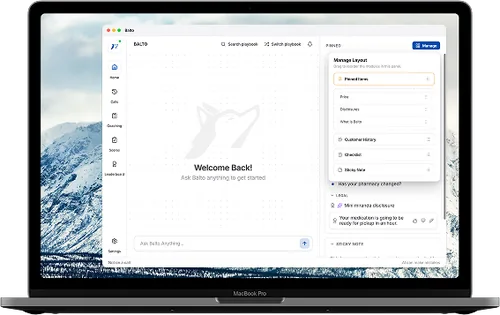
Balto, for instance, surfaces real-time sentiment data directly in the agent’s call screen, no extra tabs or tools required.
3. Accuracy and Context
AI can occasionally miss nuances like sarcasm, cultural context, or subtle emotion shifts that humans would easily catch.
That can lead to misleading insights or misclassified interactions.
✅ Solution: Combine machine intelligence with human oversight.
QA teams should review edge cases and feed them back into model training. Over time, this creates a more accurate, context-aware sentiment engine.
4. Agent Resistance
Agents sometimes view sentiment tracking as “big brother” monitoring rather than support. That perception can hurt adoption and morale.
✅ Solution: Reframe sentiment analysis as a coaching ally, not a surveillance tool.
When agents understand that sentiment data helps them handle tough calls better and even boosts performance metrics, they’re far more likely to embrace it.
5. Acting on Insights
Collecting sentiment data is only half the battle. The real challenge is turning those insights into action that improves CX.
✅ Solution: Establish clear workflows for feedback loops. For example, weekly check-ins where QA and operations teams review trends, identify root causes, and decide on next steps.
Insights have power only when they lead to change.
When implemented with clarity and empathy, sentiment analysis empowers both customers and teams, transforming emotional data into continuous, measurable improvement.
How Balto Uses Sentiment Analysis to Drive Better Customer Outcomes
Sentiment analysis isn’t just a feature; it’s the foundation for real-time, emotionally intelligent conversations.
By detecting how customers feel during a call, Balto helps agents adapt instantly, delivering service that’s faster, more empathetic, and more effective.
- Real-Time Guidance continuously analyzes tone and language as conversations unfold, surfacing cues like “reassure the customer” or “slow down” the moment frustration appears.
- QA Copilot turns those interactions into actionable insights for managers, highlighting trends across thousands of calls instead of just a handful of samples.
- Insights reveal patterns behind sentiment shifts, helping CX leaders understand why customers feel the way they do.
- Combined with Coaching and Notetaker, these tools create a closed feedback loop where every interaction feeds learning, improvement, and measurable results.
The outcome: happier customers, more confident agents, and QA teams that focus on strategy rather than manual review.
Customer experience is emotional at its core, and sentiment analysis is how leading organizations finally measure that emotion in real time.
With the right tools, companies don’t have to guess what customers are feeling or wait for post-call surveys to find out. They can act in the moment, guiding agents, reducing friction, and turning frustration into loyalty.
FAQs
Sentiment analysis helps organizations understand not just what customers say, but how they feel.
By detecting emotion in real time, businesses can respond with empathy, resolve issues faster, and personalize interactions, all of which lead to higher satisfaction and loyalty.
Sentiment analysis captures data from both speech and text, including tone, pitch, word choice, pacing, and emotional indicators like frustration or delight.
It also pulls insights from chat logs, emails, and surveys to reveal broader patterns in customer sentiment across channels.
It enables teams to detect negative sentiment early, route escalations intelligently, and coach agents with real examples.
Over time, this improves consistency, reduces churn, and turns customer emotion into a measurable performance driver.
Call centers use sentiment analysis to monitor emotion during calls, guide agents with live prompts, and flag moments that need supervisor attention.
It also helps QA teams analyze thousands of interactions quickly to identify common issues and coaching opportunities.
InteLogix, a Balto customer, used real-time sentiment tracking to identify frustration points and coach agents in the moment.
As a result, 93% of callers who began negative ended their calls positive, driving record improvements in customer satisfaction and enrollment rates.
Balto’s platform analyzes tone and language as conversations unfold, prompting agents with tailored suggestions like “show empathy” or “clarify next steps.”
These real-time cues, combined with QA and Insights tools, help teams understand sentiment at scale and turn every customer interaction into a better experience.
Liked what you read? See Balto in action.
Balto helps leading contact centers turn insights into outcomes, in real time. Book a live demo to discover how our AI powers better conversations, coaching, and conversions.