














The Complete Guide to PCI Compliance for Call Centers in 2025


If your agents collect credit card numbers over the phone, your contact center is responsible for protecting that data, or risking major fines and customer trust.
That’s where call center PCI compliance comes in.
The Payment Card Industry Data Security Standard (PCI DSS) is a global framework of controls that any business handling payment card information must follow.
In a call center environment, that means limiting access to sensitive data, securing call recordings, encrypting transactions, and guiding agents to follow compliant behaviors in real time.
That last part — agent behavior — is where things often break down. That’s why many compliance-focused teams use Balto to help agents stick to approved language, prevent non-compliant moments, and stay aligned with PCI requirements on every single call.
In this guide, we’ll walk through the key PCI requirements for call centers, offer a practical checklist, and help you sidestep common mistakes.
Let’s start with the six biggest obstacles call centers face:
- Recording sensitive data by accident: Without call redaction or pause-and-resume tech, prohibited data like CVVs can end up in recordings — a major violation.
- Inconsistent agent behavior: Even well-trained agents may forget compliance steps, go off-script, or mishandle card numbers under pressure.
- Limited IT or security resources: Smaller teams often lack the infrastructure or technical expertise to fully secure systems and stay audit-ready.
- Remote and hybrid agents: Distributed workforces make it harder to enforce endpoint security, control physical environments, and protect against shadow IT.
- Disconnected tech stacks: When phone, CRM, and payment tools don’t talk to each other, it’s harder to trace cardholder data and control risk.
- Lack of ongoing oversight: Treating PCI like a one-time project — rather than a living, monitored system — opens the door to drift and non-compliance.
Below are six best practices you can wield to overcome these obstacles:
- Use redaction and pause-and-resume tools: These protect your call recordings by ensuring sensitive payment data is never stored.
- Invest in real-time agent enablement: Tools like Balto guide agents live during calls, helping them follow scripts, avoid red flags, and stay compliant in the moment.
- Tokenize or redirect payment entry: Reduce risk by never exposing agents to card data — let customers enter payment info securely via self-service portals.
- Enforce strict access controls: Use two-factor authentication, role-based permissions, and session limits to reduce internal exposure to sensitive data.
- Monitor continuously, not occasionally: Use automated QA and logging tools to catch compliance issues as they happen, not weeks later in audits.
- Refresh training regularly: Compliance isn’t set-it-and-forget-it. Train new hires and run refresher sessions at least annually to keep teams aligned.
What are PCI call center compliance requirements?
PCI call center compliance requirements refer to the specific standards contact centers must follow to protect customers’ payment card data during transactions.
These standards are set by the Payment Card Industry Data Security Standard (PCI DSS) — a global framework designed to ensure all companies that handle cardholder information do so securely.
In a call center, this means much more than just encrypting data.
PCI compliance applies to any environment where payment card information is spoken, heard, recorded, or stored — including phone calls, call recordings, agent desktops, and CRM systems.
Contact centers are considered especially high-risk because agents often collect sensitive data verbally, making security and privacy more difficult to enforce consistently.
To be PCI compliant, call centers must implement strict controls over how cardholder data is captured, processed, and accessed. This includes:
- Preventing sensitive data from being recorded in call logs or transcripts
- Masking or redacting credit card information in real time
- Limiting agent access to only the data they need
- Monitoring and logging system activity
- Maintaining strong security policies and training protocols
Non-compliance doesn’t just risk fines — it can lead to data breaches, reputational damage, and loss of customer trust.
That’s why many modern contact centers are layering in real-time technologies, like Balto , to help agents follow PCI guidelines consistently during live conversations.
7 key controls for PCI compliance for call centers
To meet PCI DSS requirements, call centers must implement specific security controls that limit how cardholder data is accessed, processed, and stored.
These controls are designed to reduce the risk of data breaches and ensure that sensitive payment information is protected at every touchpoint, especially during phone interactions.
Here are seven key PCI compliance controls every call center should have in place:
1. Pause-and-Resume or Audio Redaction Technology
Prevent sensitive cardholder data (CHD) from being recorded during calls: most contact centers use pause-and-resume recording or real-time audio redaction to avoid storing prohibited data like CVVs and full card numbers.
2. Screen Masking and Secure Desktop Controls
Ensure agents can’t view or manually record sensitive data outside of secure payment portals: tools that mask on-screen input or redirect customers to secure entry fields help prevent data leakage.
3. Role-Based Access Controls (RBAC)
Only authorized personnel should be able to view or interact with payment information. Limit access based on user role, and enforce strong password policies and time-based session expirations.
4. End-to-End Encryption (E2EE)
Encrypt cardholder data in transit and at rest. From the customer’s phone call to the payment processor, every step of the journey should be encrypted using strong protocols.
5. Tokenization of Cardholder Data
Replace sensitive card numbers with unique, non-sensitive tokens. This reduces risk and helps ensure that actual card data is never stored within the call center environment.

6. Real-Time Agent Guidance and Script Adherence
Use tools like Balto to coach agents through compliant scripts in real time. This minimizes human error and helps ensure agents don’t accidentally ask for or repeat sensitive information.
7. Logging, Monitoring, and QA Review
Track system activity, flag risky behavior, set KPIs , and continuously monitor agent performance. Combine automated QA tools with regular audits to catch potential compliance gaps before they become problems.
✅ Your call center PCI compliance checklist
Use this call center PCI compliance checklist to identify gaps and confirm that your call center meets the latest PCI DSS requirements.
Whether you’re preparing for an audit or just getting started, these controls are essential for protecting customer payment data.

Even with the right infrastructure in place, human error is one of the most common causes of PCI compliance failures in call centers.
That’s why many organizations invest in tools that support real-time script adherence, monitor risky behavior, and help agents stay on track, without disrupting their workflow.
We’ll cover these tools in our upcoming section: PCI compliance tools & solutions for call centers
6 common PCI compliance challenges for call centers
Even the most experienced contact centers can run into trouble when trying to meet PCI DSS standards.
From technical hurdles to human error, here are the most common pitfalls to watch out for:
1. Recording Sensitive Data by Accident
Without proper call recording controls like pause-and-resume or redaction, call centers may unintentionally store full card numbers or CVVs — a direct violation of PCI rules.
2. Inconsistent Agent Behavior
Even well-trained agents can go off-script, forget compliance steps, or mishandle payment data. Without real-time support, it’s hard to catch these issues before they become liabilities.
3. Limited IT or Security Resources
Many mid-size and growing call centers lack the internal expertise to implement secure networks, encryption, or tokenization without external support, delaying compliance efforts.
4. Remote and Hybrid Teams
With more agents working from home, maintaining physical security and endpoint protection is harder. Weak devices, unsecured networks, and background noise all add new risks.
5. Complex Tech Stacks with Gaps
Disconnected tools (e.g., phone, CRM, QA, payment processor) make it difficult to trace cardholder data and enforce consistent controls across the entire customer journey.
6. Lack of Ongoing Monitoring
Some call centers treat PCI compliance as a one-time event. But without continuous call monitoring, QA reviews, and training refreshers, compliance efforts can quickly erode.
Overcoming these challenges requires more than just awareness — it takes proactive planning, the right technology, and a commitment to continuous improvement.
Case study: How Midwest Fidelity went from 30 compliance violations to 1 with Balto
Keeping agents away from compliance landmines while trying to overcome objections on the phone can be a daily struggle for agencies like Midwest Fidelity Services.
Midwest’s operations team saw how Balto could surface rebuttals and guide agents on compliance in real-time, instead of having to search for information or find out what went wrong after the fact.
Once Balto was live, the results were immediate. Agents didn’t have to dig for compliant information – it was ready for them when they needed it.
After a few months of using Balto, average monthly compliance violations dropped from 30 to one.
As compliance violations dropped, fewer calls were lost, and customer satisfaction scores soared by 45%.
Within the year, the collection team broke their own record and completed a month without any violations across nearly 4,000 customer conversations.
Let’s look at some proven best practices that can help your team stay compliant and confident.
6 best practices to implement PCI compliance in call centers
Implementing PCI compliance in your call center isn’t just about checking a box — it’s about building secure systems, training agents, and maintaining safeguards that evolve with the threat landscape.
Here’s a step-by-step guide to help you do it right:

1. Understand What PCI DSS Requires
Start by reviewing the current version of the PCI DSS framework (v4.0 as of 2024).
Identify which requirements apply to your environment based on how your call center handles cardholder data, especially if you’re recording calls or processing payments over the phone.
2. Map Out Cardholder Data Flow
Document where and how cardholder data enters, moves through, and exits your systems. Include phone systems, call recording platforms, CRM tools, agent desktops, and payment portals.
This mapping will reveal vulnerabilities and help prioritize fixes.
3. Implement Technical Safeguards
Use PCI-compliant technologies such as:
- Pause-and-resume or redaction for call recordings
- Tokenization to avoid storing sensitive data
- Encryption for data in transit and at rest
- Access controls and secure agent desktops
- Firewall and antivirus protections
4. Train and Enable Agents
Agents are on the front lines of compliance. Provide regular training on call center PCI compliance best practices, red-flag behaviors, and proper call handling.
Layer in real-time support tools that guide agents during live conversations — this prevents mistakes before they happen.
5. Establish Ongoing Monitoring and QA
Set up systems to monitor, log, and review interactions.
Use automated QA platforms to score calls for PCI adherence and conduct regular audits to catch compliance gaps early.
6. Document Everything
Keep clear documentation of your PCI compliance policies, technologies, CRM compliance , training programs, and monitoring efforts.
This is critical for audits and shows regulators that your organization takes compliance seriously.
PCI compliance tools & solutions for call centers
Maintaining PCI compliance in a call center environment requires more than training and policy — it demands the right mix of technologies working together in real time.
These are the most important categories of tools that help call centers protect cardholder data and pass audits with confidence:
Call Recording & Redaction Tools
Solutions like NICE, Verint, Balto, or built-in tools from your telephony provider can automatically pause recording or redact audio during sensitive payment moments.
This helps prevent prohibited data from being captured.
Tokenization & Payment Processing
Instead of transmitting raw cardholder data, tokenization replaces it with a secure placeholder.
Many call centers integrate with PCI-compliant payment processors or use secure IVR or payment capture portals to handle the most sensitive moments.
Endpoint Security & Access Control
Strong antivirus protection, encrypted devices, and role-based access controls are key, especially for remote or hybrid teams.
Consider tools that enforce 2FA, restrict copy/paste, and monitor login behavior.
Agent Enablement & Real-Time Compliance Tools
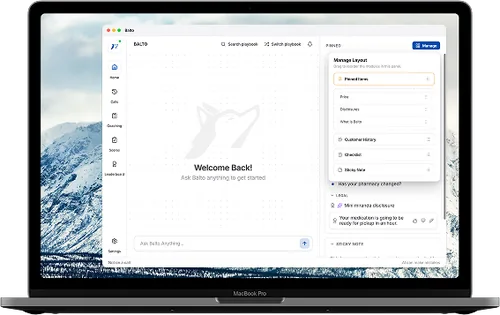
Balto runs alongside your existing call center software, providing real-time guidance that helps agents stick to compliant scripts and avoid risky behaviors.
It also auto-flags noncompliant language for QA, helping you catch and correct issues faster.
Automated QA & Monitoring Platforms
QA software with speech analytics and compliance scoring can help you monitor 100% of calls, identify potential violations, and prioritize coaching.
Some platforms integrate with WFO suites, while others can be layered in independently.
Documentation & Audit Readiness Tools
From call flow diagrams to policy templates and compliance logs, maintaining clean documentation is essential.
GRC platforms or compliance dashboards help track readiness and simplify audit prep.
Stay Secure, Stay Ahead
PCI compliance in call centers isn’t a one-time checkbox — it’s an ongoing commitment to protecting your customers, your agents, and your business.
In a contact center environment where payment data is exchanged verbally, the risks are high, but with the right tools, training, and strategy, staying compliant doesn’t have to be a burden.
From call recording controls to real-time agent support, the best call centers are using technology not just to meet PCI requirements, but to make compliance seamless and scalable. It can even be your secret weapon.
💡 Quiz: Are you ready for call center PCI compliance?
FAQs
Call centers must follow the Payment Card Industry Data Security Standard (PCI DSS) whenever they handle cardholder data over the phone.
This includes preventing the storage of sensitive data (like CVV codes), using call redaction or pause-and-resume technology, limiting agent access to payment information, encrypting data in transit and at rest, and maintaining strong security policies and ongoing training.
Yes — if your call center records calls that contain payment information, encryption is required to protect that data at rest and in transit.
However, the best practice is to avoid recording sensitive data altogether by using pause-and-resume or redaction technology to eliminate PCI-prohibited elements from call recordings entirely.
Start by listing controls across four categories:
- Data handling (e.g., redaction, tokenization)
- Agent behavior (e.g., training, secure scripts)
- Security infrastructure (e.g., encryption, firewalls)
- Ongoing oversight (e.g., QA reviews, call monitoring )
A comprehensive checklist helps track implementation and audit readiness. ( See the Checklist section above for a detailed example. )
No. PCI DSS prohibits the storage of full Primary Account Numbers (PANs), CVV codes, or magnetic stripe data after authorization.
Any temporary use must be encrypted and access tightly controlled. The best approach is to tokenize or avoid collecting sensitive card data altogether when possible.
PCI DSS recommends regular testing and auditing, which may include:
- Quarterly vulnerability scans
- Annual penetration tests
- Daily or weekly call monitoring for PCI adherence
Contact centers should also conduct internal reviews whenever new tools, workflows, or staff are introduced.
Speech analytics tools can automatically flag risky language, monitor script adherence, and surface compliance issues in real time or post-call.
Paired with automated or AI-enabled QA , they help ensure agents follow PCI-compliant processes and reduce the burden of manual reviews.
With each update to PCI DSS (like the move to version 4.0), new controls and tighter requirements may apply, especially around real-time guidance, continuous monitoring, and remote agent protections.
Staying agile with cloud-based tools and adaptive security systems will be key to long-term compliance.
Liked what you read? See Balto in action.
Balto helps leading contact centers turn insights into outcomes, in real time. Book a live demo to discover how our AI powers better conversations, coaching, and conversions.