











Real-Time Monitoring in Call Centers: How it Works & Best Practices


Real-time monitoring in a call center is the practice of tracking calls, agent activity, and operational metrics as they happen, allowing teams to take action in the moment instead of after the fact.
At its core, real-time monitoring gives contact centers the ability to move from reactive reporting to proactive performance management. Instead of reviewing calls after they’re completed, supervisors can identify issues, support agents, and protect the customer experience while interactions are still in progress.
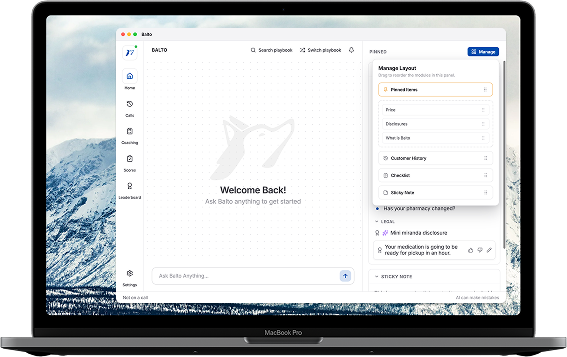
Platforms like Balto extend this further by not just showing what’s happening, but guiding agents during live conversations to improve outcomes.
How real-time monitoring works:
- Live dashboards track queue volume, service levels, and agent activity
- Supervisors listen to calls and provide whisper coaching or intervention
- Alerts flag issues like long wait times, negative sentiment, or compliance risks
- AI analyzes conversations in real time to surface guidance and next-best actions
Best practices for real-time monitoring:
- Focus on high-impact signals, not just dashboards
- Follow a consistent workflow (identify, diagnose, intervene, adjust)
- Provide in-the-moment coaching instead of relying only on post-call reviews
- Use AI to prioritize attention and scale support across interactions
In this guide, we’ll break down how real-time monitoring works, the metrics that matter, and how contact center teams use it to improve performance, coach agents, and deliver better customer experiences in real time.
What Is Real-Time Monitoring in a Call Center?
Real-time monitoring in a call center is the practice of tracking agent activity, customer interactions, and operational metrics as they happen.
Instead of reviewing performance after calls are completed, supervisors can see what’s happening live and take immediate action.
Real-time monitoring typically includes several layers of oversight. Supervisors may silently listen to calls for quality assurance, provide whisper coaching to guide agents without the customer hearing, or join calls directly when intervention is needed.
At the same time, live dashboards surface key metrics and alerts, helping teams respond quickly to spikes in demand or performance dips.
Ultimately, real-time monitoring shifts contact centers from reactive to proactive operations. Instead of discovering issues after the fact, teams can resolve them during the interaction, improving both customer experience and agent performance.
Real-Time Monitoring vs Real-Time Analytics vs Post-Call Reporting

Real-time monitoring, real-time analytics , and post-call reporting are often used interchangeably, but they serve very different roles in a contact center.
Real-Time Monitoring: Act During the Call
Real-time monitoring is focused on live visibility and immediate intervention.
Supervisors can:
- Listen to active calls
- Track queue conditions as they change
- Receive alerts for issues like long wait times or negative sentiment
- Step in with whisper coaching or join the call
Real-Time Analytics: Understand What’s Happening
Real-time analytics processes data as it comes in, often through dashboards or AI models. Teams use real-time analytics to:
- Identify trends in call volume or handle time
- Monitor performance metrics across teams
- Detect patterns like rising escalation rates
It answers the question: What is happening right now?
Post-Call Reporting: Learn After the Fact
Post-call reporting looks backward. It analyzes completed interactions to evaluate performance and identify trends over time, including:
- Quality assurance reviews
- Historical performance reports
- Coaching insights based on past calls
While valuable for long-term improvement, post-call reporting is inherently reactive. By the time insights are surfaced, the customer interaction is already over.
While post-call analysis tells you what went wrong, real-time call center reporting and monitoring give you the chance to fix it before it impacts the customer.
For example:
- A frustrated customer can be identified mid-call and de-escalated
- A struggling agent can receive guidance in the moment
- A compliance risk can be corrected before it becomes a violation
This shift from reactive to proactive is what makes real-time monitoring so powerful.
How Real-Time Monitoring Works
Real-time monitoring combines live call visibility, performance data, and automated alerts to give supervisors a continuous view of what’s happening across the contact center. More importantly, it enables them to act on that information immediately.
At a high level, real-time monitoring works through three core components: live call monitoring, real-time dashboards, and alerts or triggers.
Live Call Monitoring
Live call monitoring allows supervisors to listen to customer interactions as they happen. This is one of the most direct ways to assess quality , support agents, and manage risk in real time.
This capability is especially valuable in high-stakes situations. If an agent is struggling, giving incorrect information, or dealing with a frustrated customer, supervisors can step in before the interaction deteriorates.
Real-Time Analytics Dashboards
Alongside live call monitoring, supervisors rely on dashboards that display operational metrics as they update in real time.
Instead of waiting for reports, teams can immediately see when performance begins to drift. For example, a sudden spike in queue volume or a drop in service level can trigger rapid adjustments to staffing or routing.
Dashboards provide situational awareness, while monitoring provides the ability to intervene.
Alerts and Triggers During Calls
Modern real-time monitoring systems actively flag issues as they occur. Alerts can be triggered by:
- Long wait times or queue spikes
- High call abandonment risk
- Negative customer sentiment
- Compliance risks or missed disclosures
- Agents exceeding handle time thresholds
These alerts are often powered by AI, especially when analyzing conversations for tone, keywords, or escalation signals.
Instead of requiring supervisors to constantly watch dashboards, alerts surface the moments that matter most. This allows teams to prioritize attention and respond quickly to high-risk or high-impact situations.
Together, these components create a feedback loop: supervisors see what’s happening, understand where attention is needed, and take action in real time.
Key Metrics Used in Real-Time Monitoring

Real-time monitoring relies on a focused set of operational metrics that help supervisors quickly assess performance, identify issues, and take action during live interactions.
- Queue Volume and Wait Times: Tracks how many customers are waiting and how long they’ve been in the queue. Spikes here signal the need for immediate staffing adjustments or call routing changes.
- Average Handle Time (AHT) : Measures the total time spent per interaction, including talk time and after-call work. In real time, rising AHT can indicate agent struggle, complex issues, or process inefficiencies.
- Service Level Performance: Reflects the percentage of calls answered within a target timeframe. Drops in service level often point to capacity issues that require quick intervention.
- Agent Availability and Agent Utilization : Shows which agents are available, on calls, or in after-call work. This helps supervisors rebalance workloads and ensure coverage during demand fluctuations.
- Sentiment or Escalation Signals: Uses AI or keyword detection to identify frustrated customers, compliance risks, or potential escalations. These signals allow supervisors to step in before situations worsen.
Benefits of Real-Time Monitoring in Contact Centers
Real-time monitoring transforms contact centers from reactive environments into proactive, controlled operations.
By giving supervisors visibility and the ability to act during live interactions, it improves performance, customer experience, and operational efficiency at the same time.
Immediate Supervisor Intervention
Real-time monitoring allows supervisors to step in before issues escalate. Whether it’s a difficult customer interaction or an agent going off track, supervisors can listen in, provide guidance, or join the call directly.
This reduces escalation rates, shortens resolution time, and prevents negative customer experiences from compounding.
Improved Agent Coaching and Development
Instead of waiting for post-call reviews, supervisors can coach agents in the moment. Whisper coaching allows managers to guide agents through challenging conversations without interrupting the customer experience.
This accelerates learning, reinforces best practices, and helps agents build confidence faster.
Real-Time Agent Guidance and Assistance
Modern platforms go beyond monitoring by actively supporting agents during calls. Real-time agent assist tools surface relevant information, recommended responses, and next-best actions as conversations unfold.
This reduces cognitive load for agents, improves consistency, and helps ensure that every interaction aligns with company standards.
Faster Identification of Struggling Agents
Real-time metrics and live call monitoring make it easier to spot when an agent is struggling. Signals like rising handle time, hesitation, or repeated customer questions can indicate that support is needed.
Supervisors can intervene early, preventing poor outcomes and supporting agents before performance issues become patterns.
Early Detection of Frustrated Customers
AI-powered sentiment analysis and keyword detection can identify when a customer is becoming frustrated or at risk of escalation.
This gives supervisors the opportunity to step in, guide the agent, or take over the interaction before the situation worsens, protecting both customer satisfaction and brand reputation.
Better Management of Queue Spikes and Demand Surges
Real-time monitoring enables teams to respond immediately to changes in call volume. When queues grow or wait times increase, supervisors can reassign agents, adjust priorities, or activate overflow strategies.
This helps maintain service levels even during unexpected demand spikes.
Stronger Compliance and Risk Management
In regulated industries, real-time monitoring helps ensure that agents follow required scripts and disclosures during live interactions.
Supervisors and AI systems can flag compliance risks as they happen, allowing corrections before violations occur. This reduces regulatory risk and improves audit readiness.
How Managers Use Real-Time Monitoring to Improve Performance
Real-time monitoring is most powerful when it’s used as part of a repeatable operational workflow. High-performing contact center managers don’t just watch dashboards; they continuously identify issues, diagnose root causes, and intervene in the moment to improve outcomes.
A typical real-time monitoring workflow looks like this:

1. Identify Issues as They Emerge
Managers start by scanning real-time dashboards and alerts to spot where attention is needed.
This step is about prioritization. Instead of reviewing everything, managers focus on the interactions and metrics that signal the highest risk or impact.
2. Diagnose the Root Cause
Once an issue is identified, managers investigate further by drilling into live interactions.
This may involve:
- Listening to active calls
- Reviewing agent behavior and call flow
- Checking whether the issue is isolated or widespread
For example, a spike in handle time could be caused by a new process, a system issue, or an agent struggling with a specific type of call. Real-time visibility allows managers to quickly understand what’s actually happening.
3. Intervene in the Moment
After diagnosing the issue, managers take immediate action.
This can include:
- Providing whisper coaching to guide the agent
- Joining the call to de-escalate a situation
- Reassigning calls or adjusting queue priorities
- Offering quick clarification or support to the agent
The goal is simple: improve the outcome of the interaction while it’s still in progress.
4. Support Agents with Real-Time Guidance
In many modern contact centers, managers are supported by AI-driven tools that provide agents with guidance during the call.
Managers reinforce this by:
- Monitoring how agents use suggested responses or workflows
- Stepping in when guidance isn’t being followed
- Ensuring consistency across interactions
This creates a layered support system where both technology and supervisors help agents succeed in real time.
5. Adjust Operations Dynamically
Real-time monitoring also enables managers to make broader operational adjustments. Examples include:
- Shifting agents between queues during volume spikes
- Prioritizing high-value or urgent interactions
- Activating overflow or backup support
These decisions help maintain service levels and prevent bottlenecks from forming.
6. Reinforce and Scale What Works
Finally, managers use insights from real-time monitoring to reinforce effective behaviors. If a coaching intervention works or a particular approach resolves an issue quickly, managers can:
- Share best practices with the team
- Reinforce behaviors in future coaching
- Identify patterns that can inform training or process improvements
This ensures that real-time improvements translate into long-term performance gains.
By following this workflow, managers turn real-time monitoring into a continuous performance engine.
How AI Enhances Real-Time Call Center Monitoring
AI is transforming real-time monitoring from passive observation into active, intelligent support. Instead of simply showing what’s happening, AI-powered systems analyze conversations, detect risks, and guide both agents and supervisors in the moment.
This shifts real-time monitoring from visibility to decision-making and action at scale.
Real-Time Conversation Analysis
AI can analyze live conversations as they happen, using speech recognition and natural language processing to understand what’s being said and how it’s being said.
This enables:
- Real-time transcription of calls
- Detection of keywords, topics, and intent
- Identification of tone and sentiment
Supervisors no longer need to manually monitor every call. AI surfaces the interactions that require attention, making monitoring more scalable and precise.
Sentiment Detection and Escalation Alerts
One of the most impactful applications of AI is identifying when a conversation is at risk. AI can detect:
- Frustration or negative sentiment
- Escalation signals (e.g., repeated complaints, raised voices)
- Moments where customers are likely to churn or request a supervisor
These signals trigger real-time alerts, allowing supervisors to intervene before the situation escalates.
Real-Time Agent Assist and Guidance
AI-powered agent assist tools provide guidance directly to agents during live interactions.
This can include:
- Suggested responses based on the conversation
- Relevant knowledge base articles
- Next-best actions or workflows
- Required compliance language
This reduces the need for agents to search for information while on a call and helps ensure consistency across interactions.
Automated Compliance Monitoring
AI can continuously monitor conversations for compliance requirements, such as required disclosures, prohibited language, or script adherence. If a risk is detected, the system can:
- Prompt the agent to correct the issue in real time
- Alert a supervisor to intervene if needed
This helps prevent violations before they occur, rather than catching them during post-call reviews.
Prioritization and Focus for Supervisors
Instead of watching dashboards or randomly sampling calls, supervisors can rely on AI to highlight where their attention is needed most. AI helps prioritize:
- High-risk interactions
- Underperforming agents
- Emerging trends across calls
This allows supervisors to spend their time where it has the greatest impact.
Scaling Coaching and Performance Improvement
AI makes it possible to deliver consistent coaching across every interaction, not just a small sample of calls. By guiding agents in real time and surfacing coaching opportunities, AI:
- Reinforces best practices continuously
- Reduces variability in performance
- Accelerates agent ramp and development
This turns real-time monitoring into a system for continuous improvement, not just oversight.
As AI capabilities continue to evolve, real-time monitoring is becoming less about watching and more about guiding. The combination of live visibility and AI-driven assistance enables contact centers to improve every interaction as it happens, at scale.
Interactive Best Practices Checklist for Implementing Real-Time Monitoring
The most successful contact centers align people, processes, and technology to ensure that real-time monitoring leads to real action, not just visibility.
Use the checklist below to assess whether your operation is set up to get the full value from real-time monitoring.
Interactive Best Practices Checklist for Implementing Real-Time Monitoring
Implementing real-time monitoring effectively requires more than just turning on dashboards.
The most successful contact centers align people, processes, and technology to ensure monitoring
leads to real action, not just visibility. Use the checklist below to assess whether your operation
is set up to get the full value from real-time monitoring.
Operational Readiness
Supervisors actively monitor live dashboards throughout the day
Clear thresholds are defined for key metrics (AHT, service level, queue time)
Processes exist for responding to queue spikes or performance dips
Real-time monitoring is integrated into daily operations, not treated as a side activity
Supervisor Workflows
Managers follow a consistent workflow (identify → diagnose → intervene → adjust)
Supervisors are trained on when and how to use whisper, barge, and silent monitoring
High-risk interactions are prioritized over random call sampling
Managers have clear escalation protocols for complex or sensitive calls
Agent Support and Coaching
Agents receive real-time coaching during live interactions when needed
Coaching focuses on in-the-moment improvement, not just post-call feedback
Best practices from live interventions are shared across the team
New agents receive additional real-time support during ramp
Technology and Tools
Real-time dashboards provide clear, actionable metrics
Alerts and triggers are configured for key risk signals (wait times, sentiment, compliance)
Agents have access to real-time guidance or knowledge during calls
Systems integrate with CRM and other core tools for full customer context
AI and Automation
AI is used to detect sentiment, escalation risk, or compliance issues
Real-time agent assist tools surface next-best actions
Alerts prioritize the highest-impact interactions
Automation reduces manual monitoring and improves coverage
Compliance and Quality Assurance
Required disclosures and scripts are monitored in real time
Supervisors can intervene before compliance violations occur
Monitoring supports both quality assurance and regulatory requirements
Audit trails or records are maintained for review
From Monitoring to Real-Time Performance Improvement
Real-time monitoring changes the role of the contact center from reactive problem-solving to proactive performance management. Instead of discovering issues after the fact, teams can identify, address, and resolve them during live interactions.
The most effective teams use real-time monitoring as an operational system for continuous improvement, where every interaction is an opportunity to coach, correct, and optimize in the moment.
As customer expectations continue to rise, the ability to act in real time is becoming a competitive advantage, not just a nice-to-have.
FAQs
Real-time monitoring is the process of tracking calls, agent activity, and key performance metrics as they happen, allowing supervisors to intervene and support agents during live interactions.
It combines live call listening, real-time dashboards, and automated alerts to give supervisors visibility into operations and enable immediate action when issues arise.
Common metrics include queue volume, wait times, average handle time (AHT), service level , agent availability, and customer sentiment or escalation signals.
Real-time monitoring focuses on live interactions and immediate action, while reporting analyzes past performance after calls are completed.
It allows teams to resolve issues during interactions, improve service levels, support agents in the moment, and prevent problems before they escalate.
By enabling faster intervention, better guidance, and quicker resolution, it helps ensure customers get accurate, efficient, and less frustrating support.
Platforms like NICE CXone, Genesys Cloud, Amazon Connect, and AI-powered tools like Balto provide real-time monitoring and analytics capabilities.
Yes, supervisors can use features like whisper coaching and live feedback to guide agents during calls, improving performance in real time.
AI analyzes conversations live to detect sentiment, flag risks, and provide real-time guidance, helping teams act faster and more effectively.
Benefits include faster issue resolution, improved customer experience, better agent performance, stronger compliance, and more efficient operations.
Liked What You Read? See Balto in Action.
Balto helps leading contact centers turn insights into outcomes, in real time. Book a live demo to discover how our AI powers better conversations, coaching, and conversions.