














Conversational AI in Insurance: 16 Use Cases, Benefits, and Safe Implementation


Conversational AI in insurance is transforming how insurers manage claims, service policies, support underwriting, and guide agents in real time.
Rather than relying solely on traditional IVR or basic chatbots, modern insurance organizations are deploying AI-powered voice and chat systems that automate structured workflows while preserving human oversight.
At Balto, we see conversational AI not as a replacement for agents, but as a way to make high-stakes insurance conversations faster, more consistent, and more compliant.
At a high level, conversational AI in insurance is being used across 16 primary workflows:
- First Notice of Loss (FNOL): Guides policyholders through structured claims intake and documentation.
- Claims Status Updates: Provides real-time updates without requiring live agent calls.
- Catastrophe Volume Management: Scales instantly during disaster-driven call surges.
- Fraud Documentation Support: Captures structured statements and flags inconsistencies.
- Coverage Inquiries: Answers questions about limits, deductibles, and endorsements.
- Billing and Payments: Processes premiums and manages payment reminders.
- Policy Changes: Updates addresses, vehicles, or beneficiaries securely.
- Renewal Outreach: Proactively engages customers before policy expiration.
- Real-Time Compliance Prompts: Surfaces required disclosures during live calls.
- Next-Best-Action Guidance: Suggests relevant coverage or escalation steps.
- Automated Call Documentation: Generates structured summaries and notes.
- Coaching and Quality Monitoring: Identifies performance trends and compliance gaps.
- Applicant Data Collection: Gathers structured risk information from applicants.
- Risk Clarification Conversations: Follows up on ambiguous or incomplete details.
- Missing Documentation Follow-Up: Automates outreach for required materials.
- Eligibility Pre-Screening: Filters ineligible submissions before underwriting review.
Because insurance interactions involve regulatory obligations, financial exposure, and emotionally sensitive events, conversational AI must be implemented with care.
The sections below explore how conversational AI works, why insurance is a uniquely high-stakes environment, and how insurers can deploy it safely to improve efficiency, compliance, and customer trust.
What Is Conversational AI in Insurance?
Conversational AI in insurance refers to the use of artificial intelligence , natural language processing, and machine learning to automate or augment conversations across claims, policy servicing, underwriting, and sales.
At its core, conversational AI allows insurance organizations to:
- Capture and process First Notice of Loss (FNOL)
- Answer coverage and billing questions
- Generate and compare quotes
- Support underwriting data collection
- Guide customers through renewals and payments
- Assist agents in real time during live calls
Unlike traditional IVR systems or scripted chatbots, modern conversational AI systems understand intent, maintain context across interactions, and integrate directly with core insurance systems such as policy administration, claims management, and CRM platforms.

There are two primary forms of conversational AI in insurance:
- Autonomous conversational AI: These systems interact directly with customers or policyholders without a human agent involved in the moment. Examples include AI-powered voice agents handling claims intake or chatbots answering coverage questions 24/7.
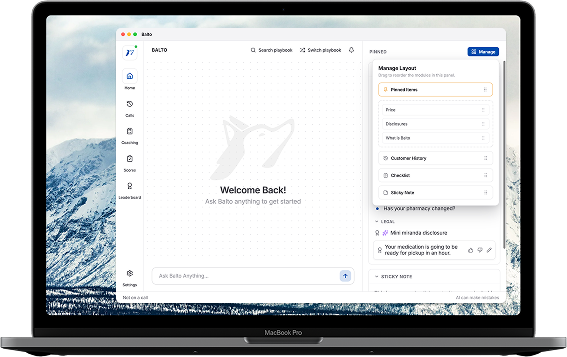
- Agent assist conversational AI: Rather than replacing agents, these systems operate alongside them. They provide real-time prompts, compliance disclosures, next-best-action guidance, and documentation support during live calls. This approach is especially valuable in high-stakes insurance conversations where regulatory accuracy and empathy are critical.
Because insurance interactions often involve financial risk, legal obligations, and emotionally sensitive events, conversational AI in this industry is not simply about deflection but about balancing automation with oversight, speed with compliance, and efficiency with trust.
What Makes Insurance a High-Stakes AI Environment
Insurance conversations involve financial liability, legal obligations, regulatory disclosures, and emotionally charged life events. That makes conversational AI in insurance fundamentally higher stakes.
Let’s break it down:
Financial and Legal Exposure
Every interaction can affect coverage determinations, claim payouts, underwriting decisions, or policy eligibility. A missed disclosure, inaccurate coverage explanation, or improperly handled claim detail can create regulatory risk or litigation exposure.
Regulatory and Compliance Complexity
Insurance is regulated at the state and federal levels, with strict requirements around:
- Claims handling timelines
- Policy disclosures
- Fair underwriting practices
- HIPAA compliance in health insurance
- Documentation retention and auditability
Any AI system deployed in this environment must respect those constraints. That means guardrails, escalation logic, and human-in-the-loop oversight are not optional.
Emotionally Sensitive Moments
Many insurance interactions occur during stressful or traumatic events, such as car accidents, natural disasters, and medical emergencies. In these moments, speed and accuracy matter, but empathy may matter more. Automation that feels cold, confusing, or dismissive can erode trust.
High Volume and Volatility
Insurance contact centers experience spikes during catastrophe events. Hurricanes, wildfires, and severe weather can generate massive surges in claims volume within hours.
Conversational AI can scale instantly to manage first notice of loss, provide status updates, and route urgent cases appropriately. However, that scalability must be paired with controls to prevent misinformation or inconsistent guidance during crisis situations.
Complex Products and Policy Language
Insurance products are dense, technical, and highly conditional. Coverage explanations often depend on endorsements, exclusions, riders, and jurisdictional nuances.
AI systems must be trained carefully and integrated with up-to-date policy data. Surface-level bots that rely on static FAQs are insufficient in this environment.
Insurance is ideal for conversational AI because of its repeatable interactions and structured processes. But it is also high stakes because errors carry real financial, regulatory, and human consequences.
The insurers that succeed are those who design AI systems with compliance, escalation pathways, and agent collaboration built in from the start.
Benefits of Conversational AI in the Insurance Industry

Conversational AI delivers value across operational efficiency, customer experience, regulatory consistency, and scalability.
For insurers, the impact is not just about automation but about improving speed, accuracy, and trust in environments where mistakes carry real consequences.
Here are the primary benefits insurers are realizing with conversational AI:
Faster Claims Intake and Resolution
Automating structured data capture during First Notice of Loss reduces intake times from hours to minutes. Policyholders receive immediate confirmation, and claims teams start processing sooner.
Especially during catastrophe events, this speed can materially affect both customer satisfaction and loss adjustment efficiency.
Lower Cost Per Interaction
Routine inquiries such as billing questions, policy updates, and status checks represent a significant portion of contact center volume. Conversational AI handles high-volume, low-complexity interactions without proportional staffing increases, helping reduce cost per contact while maintaining service levels.
Reduced Average Handle Time (AHT)
When deployed as agent assist, conversational AI surfaces relevant policy details, compliance prompts, and next-best-action guidance in real time. This reduces hold time, minimizes searching across systems, and shortens call duration without sacrificing accuracy.
Improved Compliance Consistency
Insurance conversations often require mandated disclosures and precise language. AI systems provide consistent prompts and guardrails, reducing the risk of missed disclosures, improper statements, or inconsistent documentation across agents.
Increased Scalability During Volume Spikes
Insurance contact centers face unpredictable surges, especially during natural disasters or renewal cycles. Conversational AI scales instantly to absorb excess volume, minimizing wait times and protecting customer experience during peak demand.
Enhanced Customer Experience and Transparency
Policyholders increasingly expect 24/7 service and real-time updates. AI-powered voice and chat systems provide immediate responses, transparent claim tracking, and proactive notifications, reducing uncertainty during stressful moments.
Improved Data Quality and Documentation
Structured conversational workflows capture standardized information across claims, underwriting, and servicing. This reduces manual data entry errors and creates cleaner audit trails for regulatory review.
Better Agent Productivity and Retention
When AI reduces repetitive tasks and after-call work, agents can focus on complex, high-value conversations. Real-time guidance and coaching insights also accelerate onboarding for new agents and support performance improvement.
Because insurance operations span multiple functions, these benefits manifest differently across claims, policy servicing, underwriting, and contact center workflows.
The following section breaks down the 16 main use cases in the insurance industry driving measurable impact today.
16 Main Use Cases of Conversational AI in the Insurance Industry
Conversational AI in insurance delivers value across the full policy lifecycle, from underwriting and quoting to claims resolution and renewal.
The highest-impact use cases typically fall into four operational categories: claims processing, policy servicing, agent assist, and underwriting support.
Below are 16 ways insurers are deploying conversational AI today:
Conversational AI in Insurance Claims Processing
Claims are often the most time-sensitive and emotionally charged interactions in insurance. Conversational AI helps manage both volume and complexity.
1. First Notice of Loss (FNOL)
AI systems guide policyholders step by step to report an incident, capture structured details, collect photos or documentation, and initiate the claim directly in the core claims system. This reduces intake time from hours to minutes and ensures standardized data capture.
2. Claims Status Updates
Policyholders frequently call to ask, “What’s happening with my claim?” Conversational AI provides real-time status updates, next steps, and documentation reminders, reducing call center load while improving transparency.
3. Catastrophe (CAT) Event Volume Management
During hurricanes, floods, or wildfires, claims volume can spike dramatically. AI-powered voice agents can scale instantly to handle intake, triage severity, route urgent cases, and provide emergency guidance without long hold times.
4. Fraud Documentation & Structured Statements
Conversational AI can collect consistent, structured claim narratives, flag inconsistencies, and escalate suspicious cases to Special Investigations Units (SIU), improving documentation quality without prematurely accusing customers.
Conversational AI in Policy Servicing and Renewals
Many insurance interactions are routine but high-volume. Automating these interactions improves efficiency without sacrificing service quality.
5. Coverage & Policy Inquiries
AI agents answer questions about deductibles, coverage limits, endorsements, and exclusions using up-to-date policy data, reducing repetitive calls to live agents.
6. Billing & Payment Processing
Conversational systems send payment reminders, process premium payments, set up payment plans, and manage missed payment follow-ups, helping reduce lapse rates.
7. Policy Changes
Customers frequently update addresses, vehicles, beneficiaries, or contact information. AI can authenticate the policyholder and process simple changes automatically, escalating complex endorsements when necessary.
8. Proactive Renewal Outreach & Retention
Conversational AI can initiate renewal conversations, review coverage options, offer discounts, and route at-risk customers to retention specialists before churn occurs.
Agent Assist AI in Insurance Contact Centers
In high-stakes insurance conversations, AI often works best alongside human agents rather than replacing them.
9. Real-Time Compliance Prompts
Agent assist systems monitor live calls and automatically surface required disclosures, state-specific language, and regulatory reminders to reduce compliance risk.
10. Next-Best-Action Guidance
Based on the customer’s issue and policy data, AI suggests relevant coverage options, cross-sell opportunities, or escalation paths in real time.
11. Automated Call Documentation & Summaries
AI generates structured call notes and post-call summaries, reducing after-call work and improving record consistency.
12. Coaching & Quality Monitoring Support
Conversational analytics tools identify trends in agent performance, highlight missed disclosures, and surface coaching opportunities without manually reviewing every call.
Conversational AI for Underwriting Support
Underwriting processes are document-heavy and detail-sensitive. Conversational AI helps streamline data collection while maintaining accuracy.
13. Applicant Data Collection
AI systems guide applicants through structured information gathering, reducing back-and-forth emails and incomplete submissions.
14. Risk Clarification Conversations
When underwriting requires clarification, conversational AI can follow up with targeted questions to gather additional risk details before human review.
15. Missing Documentation Follow-Up
Automated outreach reminds applicants to submit required medical exams, inspection reports, or financial documents, shortening quote-to-bind cycles.
16. Eligibility Pre-Screening
AI tools can pre-screen applicants against underwriting guidelines before submission, filtering ineligible risks early and improving operational efficiency.
Interactive Checklist: Which Use Cases Are Relevant To Your Contact Center?
How to Implement Conversational AI in Insurance Safely

Deploying conversational AI in insurance requires more than technical integration. Because conversations often involve regulatory disclosures, financial exposure, and emotionally sensitive events, implementation must balance automation with governance.
The insurers that succeed treat AI as a controlled rollout, not a switch they flip.
1. Start With a Defined, Low-Risk Use Case
Begin with workflows that are high volume but operationally predictable, such as billing inquiries, claim status updates, or structured FNOL intake.
Avoid launching immediately into complex underwriting decisions or disputed claims handling. Early wins build confidence, generate measurable ROI, and surface integration gaps before scaling into higher-stakes workflows.
2. Establish Compliance Guardrails From Day One
Insurance AI systems must reflect regulatory requirements across state lines, product lines, and disclosure obligations.
Before deployment:
- Define required disclosures and escalation triggers
- Establish clear thresholds for human transfer
- Document decision logic for auditability
- Validate policy data sources
Compliance teams should be involved in design, not just final approval. Conversational AI is safer when guardrails are embedded directly into the workflow.
3. Design for Human-in-the-Loop Escalation
In insurance, full automation is rarely appropriate for every interaction. Build clear escalation paths for:
- Emotionally distressed policyholders
- Coverage disputes
- Fraud suspicion
- Underwriting ambiguity
For live calls, agent assist models provide a powerful middle ground. AI can guide, document, and prompt without removing human judgment from high-stakes decisions.
4. Integrate With Core Insurance Systems
Conversational AI should not operate as a standalone chatbot disconnected from policy administration or claims platforms. Safe deployment requires integration with:
- Claims management systems
- Policy administration systems
- CRM platforms
- Payment processing systems
This ensures responses are grounded in real-time policy data rather than static FAQs, reducing misinformation risk.
5. Pilot, Measure, and Iterate
Start with a controlled pilot group, defined KPIs, and clear success criteria. Common insurance AI metrics include:
- Reduction in average handle time
- FNOL intake speed
- Containment rate for routine inquiries
- Compliance adherence improvement
- Customer satisfaction scores
Use conversational analytics to identify breakdown points, refine scripts, and adjust escalation logic before expanding deployment.
6. Train Agents and Align Internal Teams
AI implementation is as much cultural as technical. Agents should understand:
- What the AI does
- When it escalates
- How it supports compliance
- How performance is measured
When positioned as a productivity and risk-reduction tool rather than a replacement, adoption improves and resistance declines.
Conversational AI can deliver measurable efficiency and CX gains in insurance, but only when deployed with structure, oversight, and cross-functional alignment. The safest implementations combine automation for structured tasks with real-time human judgment for complex decisions.
From Automation to Accountable Intelligence
Conversational AI in insurance is not simply about reducing call volume or deflecting routine inquiries, but about designing systems that improve speed, consistency, and transparency in environments where financial, legal, and emotional stakes are high.
Insurance organizations operate under regulatory scrutiny, volatile demand patterns, and complex policy structures. In this context, automation must be intentional. The most successful insurers are not choosing between humans and AI, but combining structured automation with human judgment, escalation pathways, and real-time agent guidance.
When deployed thoughtfully, conversational AI can:
- Accelerate claims intake
- Reduce operational costs
- Improve compliance consistency
- Enhance customer trust during stressful events
- Support agents with real-time intelligence
The opportunity is significant, but so is the responsibility. Insurers that approach conversational AI as a strategic capability rather than a tactical chatbot initiative are the ones most likely to see measurable, sustainable impact.
FAQs
Conversational AI in insurance uses natural language processing and machine learning to automate or assist customer and agent conversations across claims, policy servicing, underwriting, and sales.
It can operate autonomously through chat or voice agents, or alongside human agents as real-time guidance and compliance support.
The primary use cases include First Notice of Loss (FNOL), claims status updates, billing and policy inquiries, renewal outreach, underwriting data collection, and real-time agent assist for compliance and documentation.
Insurers deploy conversational AI to improve efficiency, scalability, and customer experience across the policy lifecycle.
Conversational AI accelerates claims intake by guiding policyholders through structured data capture, collecting documentation, and initiating claims instantly in core systems.
It also provides real-time status updates, manages catastrophe-driven volume spikes, and supports consistent documentation for fraud review.
Conversational AI can be compliant when designed with regulatory guardrails, disclosure prompts, escalation logic, and audit trails.
Safe implementation requires alignment with state regulations, documentation standards, and privacy requirements such as HIPAA in health insurance environments.
It provides 24/7 access to policy information, faster claims reporting, proactive notifications, and reduced wait times during high-volume events.
When combined with human escalation pathways, it balances automation with empathy during sensitive interactions.
Risks include inaccurate coverage explanations, missed disclosures, insufficient escalation of complex cases, and over-automation in emotionally sensitive situations.
These risks are mitigated through human-in-the-loop design, compliance guardrails, and ongoing performance monitoring.
In most cases, no. While AI can automate routine inquiries, insurance conversations often require human judgment, empathy, and regulatory awareness. Many insurers adopt agent assist models that enhance agent performance rather than replace it.
Implementation timelines vary depending on integration complexity and regulatory requirements. Targeted use cases such as claims status updates or billing automation can be deployed in weeks, while deeper system integrations and agent-assist rollouts may take several months.
ROI typically comes from reduced cost per interaction, lower average handle time, faster claims intake, improved compliance adherence, and increased agent productivity. High-volume workflows often deliver measurable impact within the first deployment phase.
Insurance chatbots interact directly with customers to automate conversations. Agent assist AI operates alongside live agents, providing real-time prompts, compliance guidance, next-best-action recommendations, and automated documentation during calls.
Liked What You Read? See Balto in Action.
Balto helps leading contact centers turn insights into outcomes, in real time. Book a live demo to discover how our AI powers better conversations, coaching, and conversions.